
Caribbean Dread
A Photo Essay

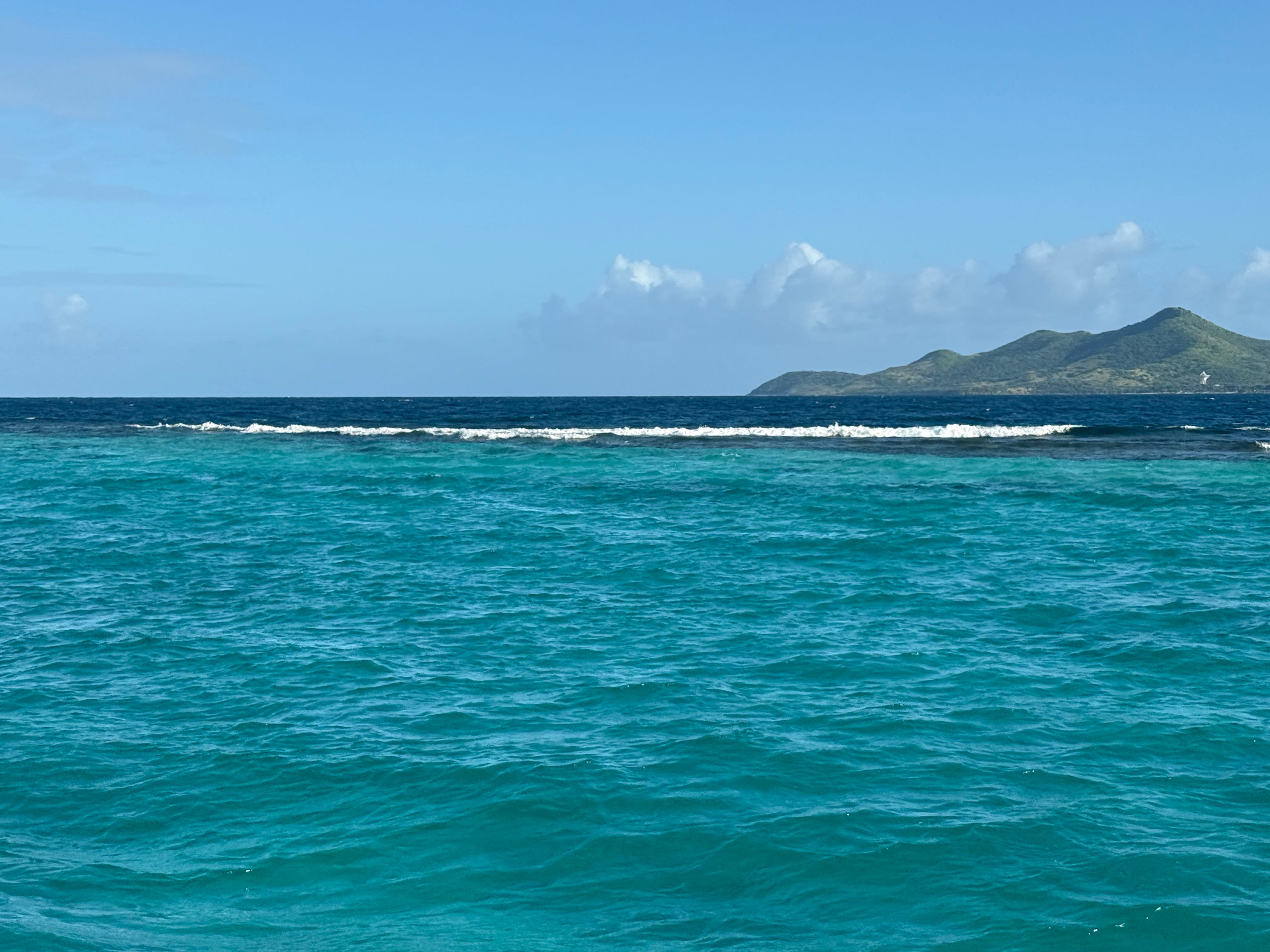
“Paradise!” And it is. But Paradise is where the snake found us, had his way. And even beautiful water can be deadly.

History does not help. Not to be pious, but yeah, conquest of one tribe by another, one tribe by a nation, one nation by another. Extermination. Slaves. Sugar into rum. Silver and gold and pirate and privateers and navies fighting for dominion and men bleeding and going down on reefs never to return to their homes. Maybe it is worse here, maybe not. Maybe Romantic Northerners like me, little Gauguins, somehow expect our paradise to be peaceful, as if death doesn’t happen all the time in the tropics.
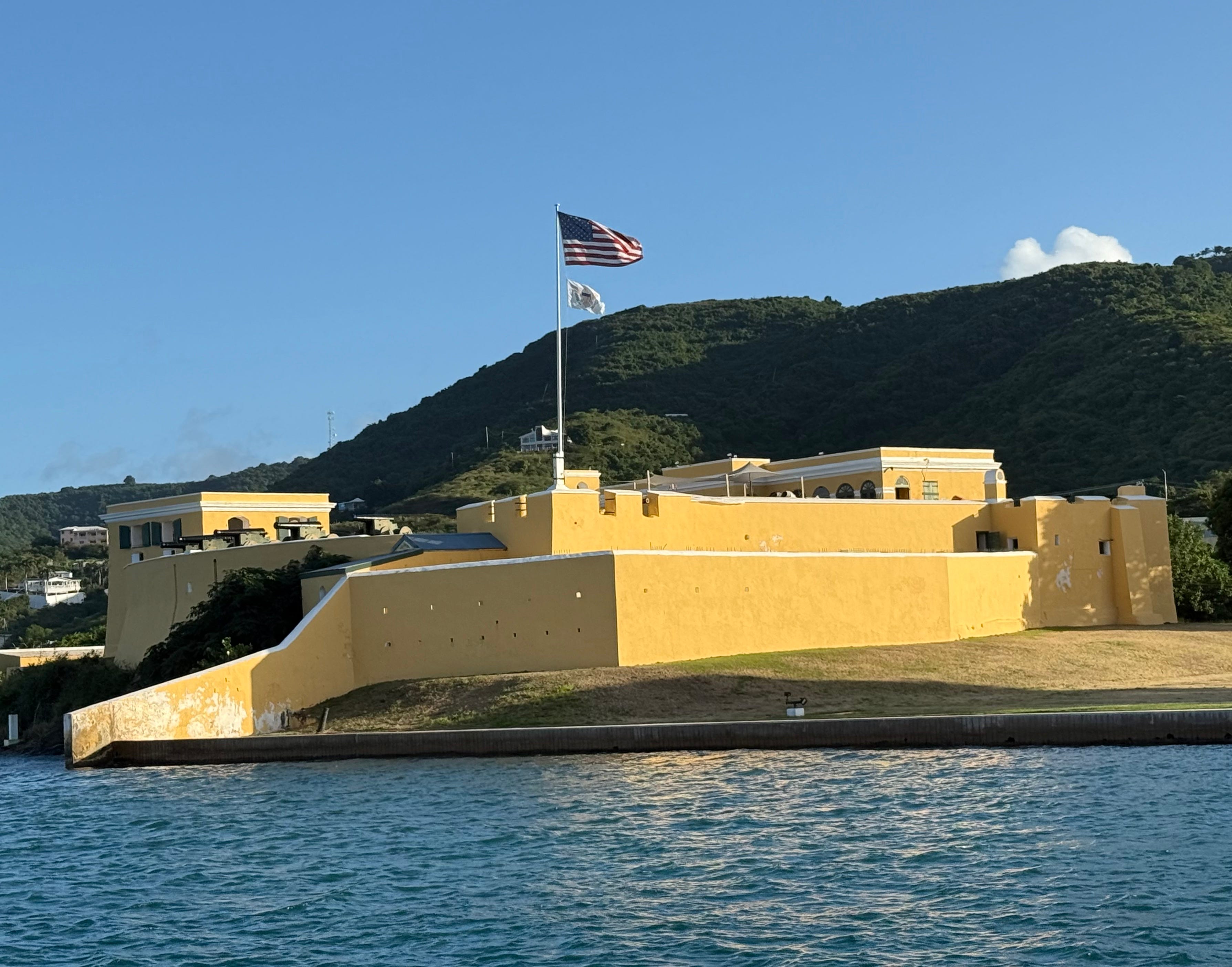
But history, with its horrors and glories, is history. One may contemplate that which has already happened, even if it’s not even past. I’m talking about something else, or additional. Men at work. To what ends? Hard to say, beyond the fact this these things, too, will become history.
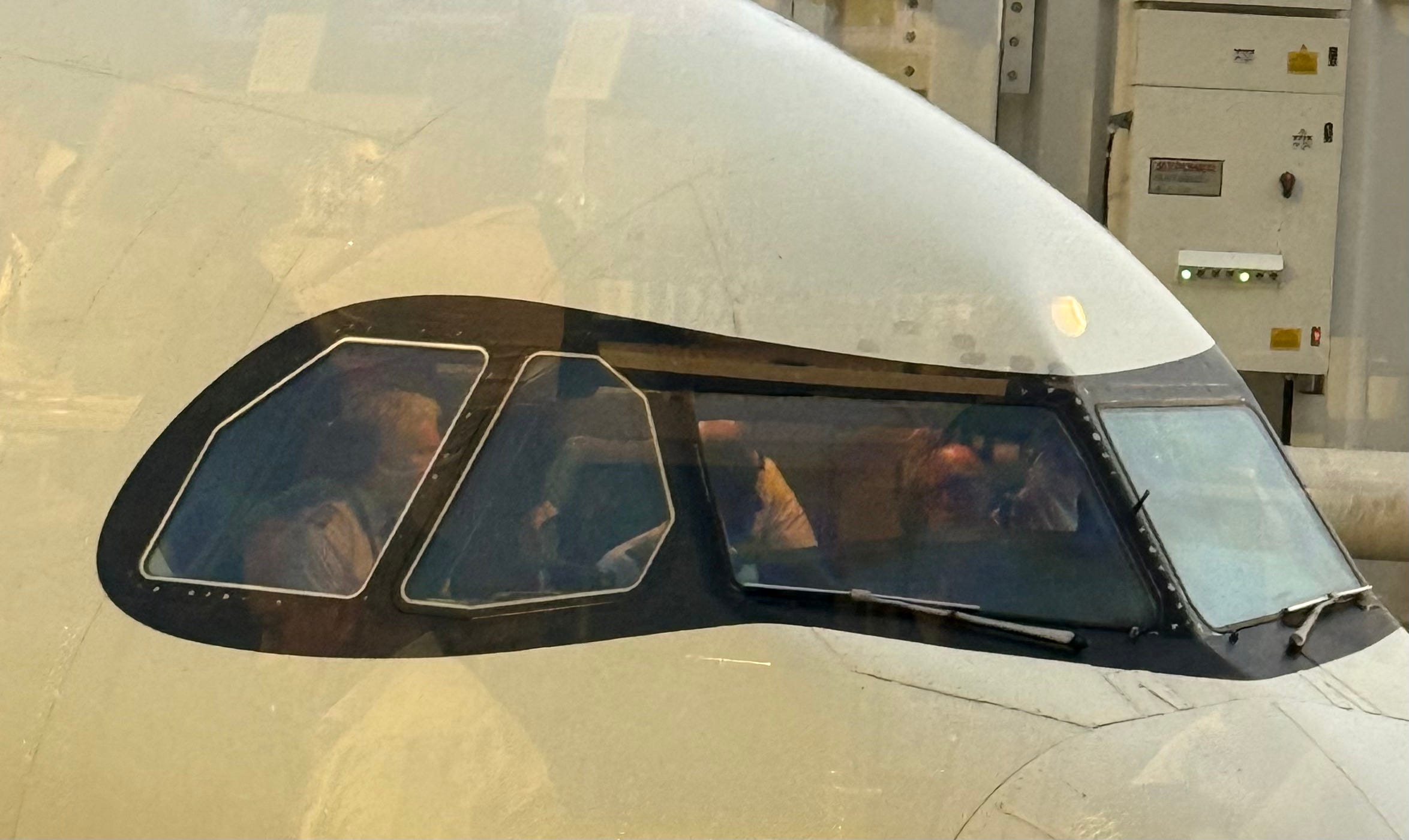
Sometimes it gets in your head, the spookiness of it all. The secret errands. Joan Didion wrote of American men of a certain age, unobtrusively quiet within themselves on long flights. Even the public errands have consequences the actors cannot know. They are unlikely to speculate, will not talk. Business, sometimes idealistic, the most dangerous sort. Quiet Americans, to switch authors and continents but say much the same thing. A different kind of soul.
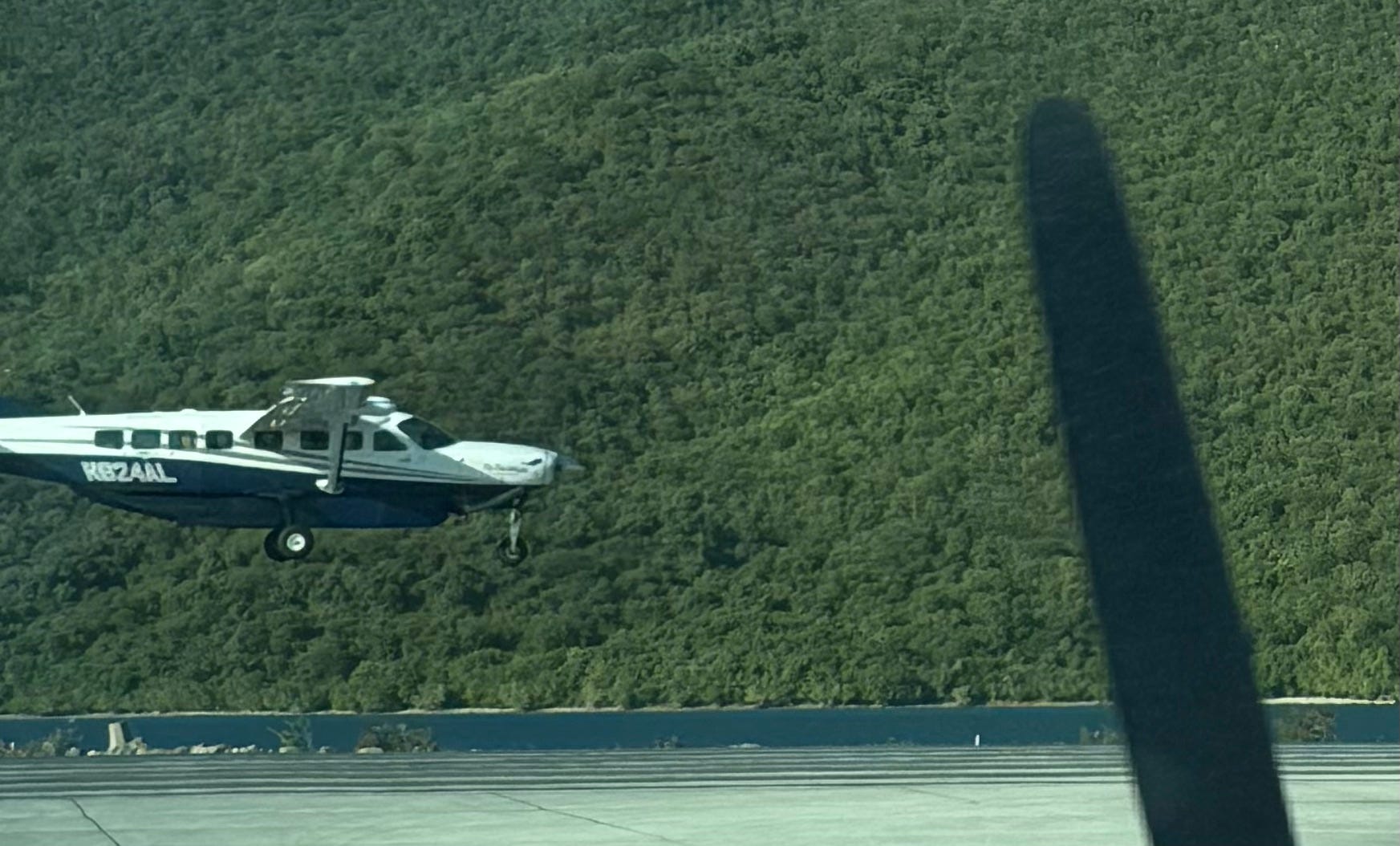
Last week I considered Hybrid Threats, Scenarios, and Legitimacy. A few months ago, I worried about the international legal order, the ways we thought about violence after World War Two, especially the UN and assassination. The extent to which we sinners failed to live up to our ideals (remember the snake) was not really my point. East River II. It’s probably too much to ask of a photo essay. But at least the photo essay avoids tendentious argument. Better to understand than have to be right all the time.
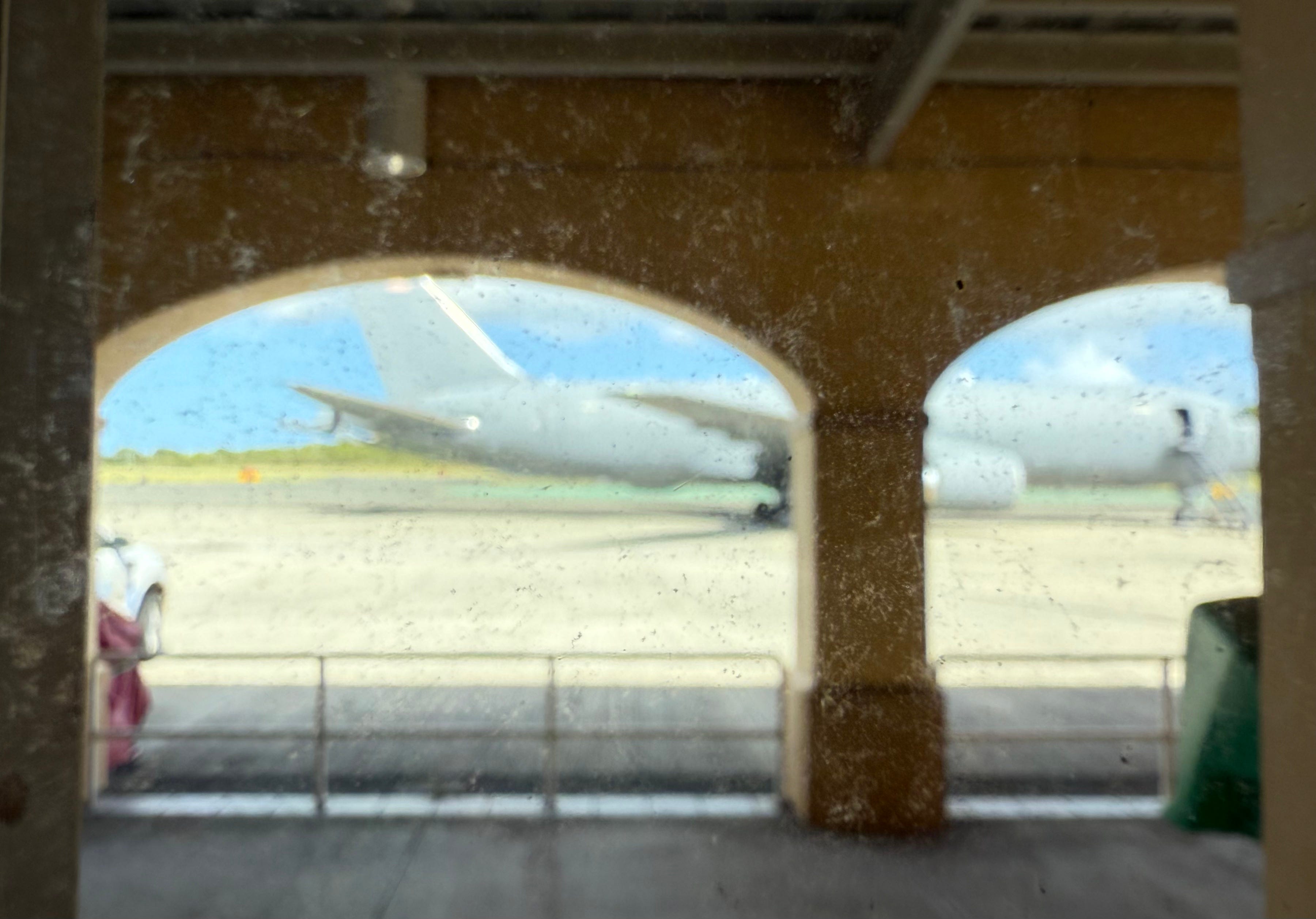
Maybe it’s nothing. Long ago, as I read Didion, I gradually became conscious of the potential for violence, anxious, dread-ful. I felt it, not as text on the page, but in my gut. These were the days of Contras, Granada, Salvador. And today I read that somewhere off the coast of Venezuela a boat is destroyed with all aboard, an hour passing before it was decided that the survivors in the water should be killed.
The passive voice is intentional, meant to disturb you, as it does me. Don’t you want to hear me protest, condemn? Would that make anyone feel better? But spookiness is passive, not quite nameable, hard to engage or to fight, just out there, maybe gathering. So, that happened, as the special forces guys say. One can say much the same about bureaucracy.
Nonetheless I wonder, what was that hour like, subjectively? Unbidden morbid thought I’m pleased to share with you. Meanwhile, a tanker was seized, assets were repositioned, things like that. And for what will we be responsible, even if we are not the targets? Dread is not unfounded.
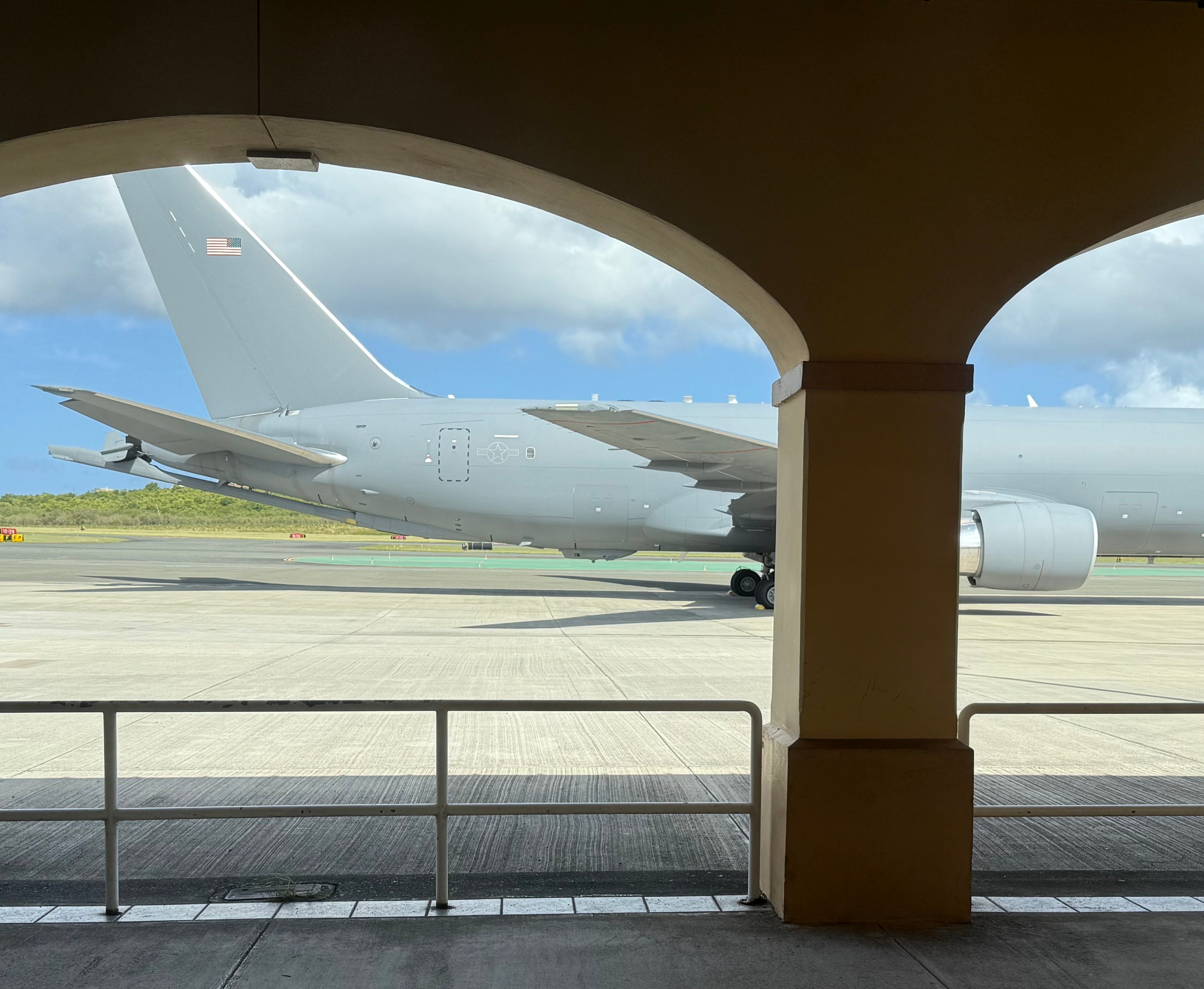
What I’m trying to say with these images, no need for secrets here, is that consciousness of violence can change how one sees. This is not war reportage, not even real evidence of a rumor. These things I saw, and I’m trying to convey what came to mind, what feelings arose. Someone has much better pictures, definitive rather than suggestive.
If I die this instant
Taken from a distance
They would probably list it down
Among other things ‘round town
***
In the skies over black Venice
I see eyes of a white menace
The surprise of the week
Is that I never heard the sound
— The National, “Humiliation”
I was in the Caribbean for conversations on critical digital infrastructure. Over a few generations, societies have digitized and connected most everything. Much of the computing, at all levels, is bad. Much of our software is insecure, and in fact infiltrated by adversaries, including China, to an extent we cannot know. We do not have minimal standards for software engineering, as we do for all other sorts of engineering, so the problem will continue, may worsen.
There are things to be done. In principle, there are ways to fix our legacy infrastructure, make it more robust, and do better in the future. There are various approaches, all of which pose challenges. Of course there is much excitement about generative AI, which seems on balance to be compounding these problems. The AI cannon applications seem more powerful, certainly cheaper, than the AI castle applications. I will write more of this is a longer, nerdy, Signal. Maybe.
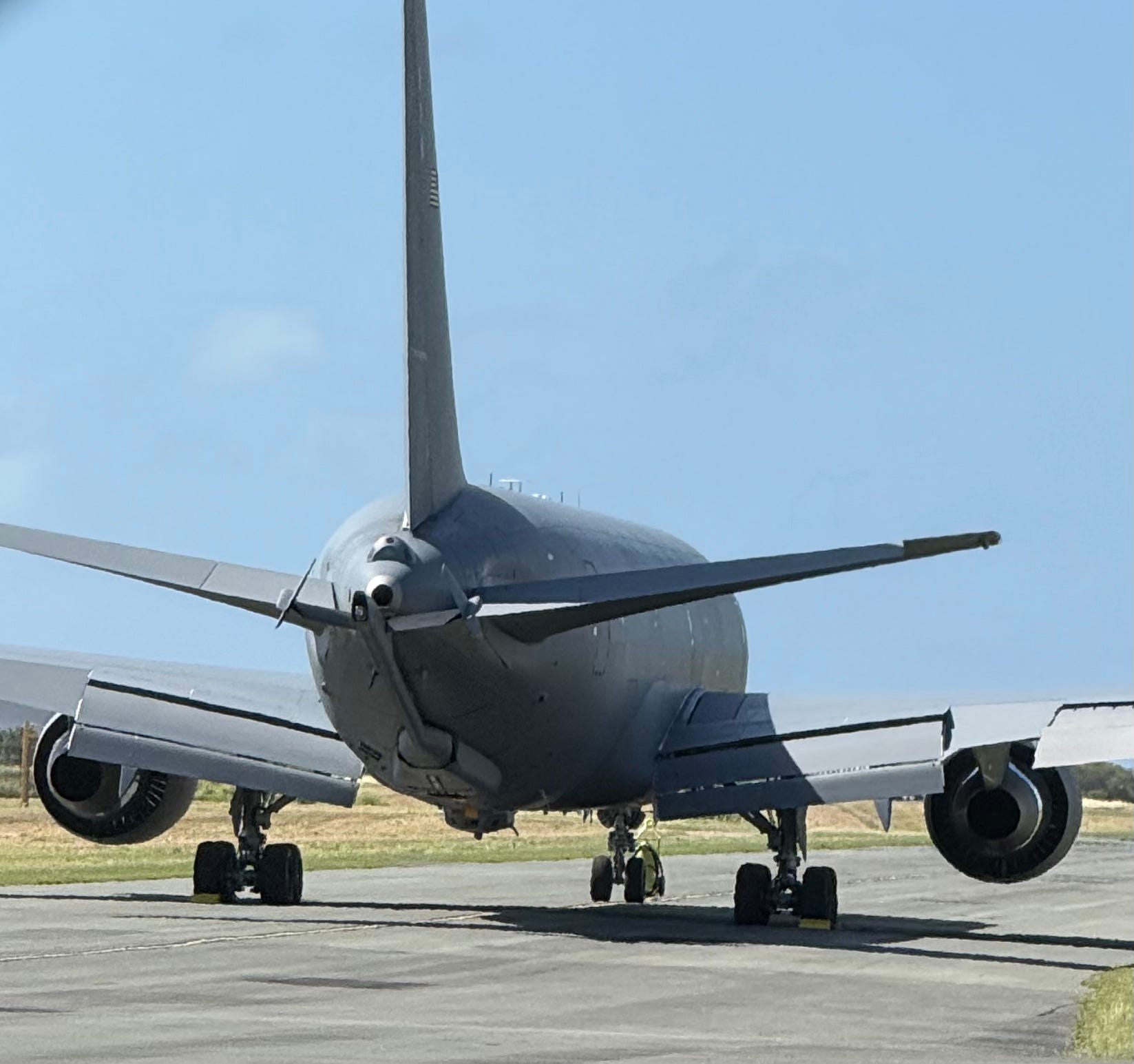
Understanding the world to be digital and the digital to be vulnerable feels to me like a new anxiety and even a new kind of spookiness. The systems that suffuse and make our world are in ways we cannot quantify at risk. We like to think of this or that as a “tool,” but this is how the lights go on, the planes stay in the air, we are connected to one another, food gets delivered. Our world: we are informed by our technology, and much but how much isn’t very safe. Sorry about that. The photos in this essay, suggestive of the kinetic violence going on in nearby waters, were simply taken en passant, while I was worrying about an entirely different, less tactile, kind of vulnerability.
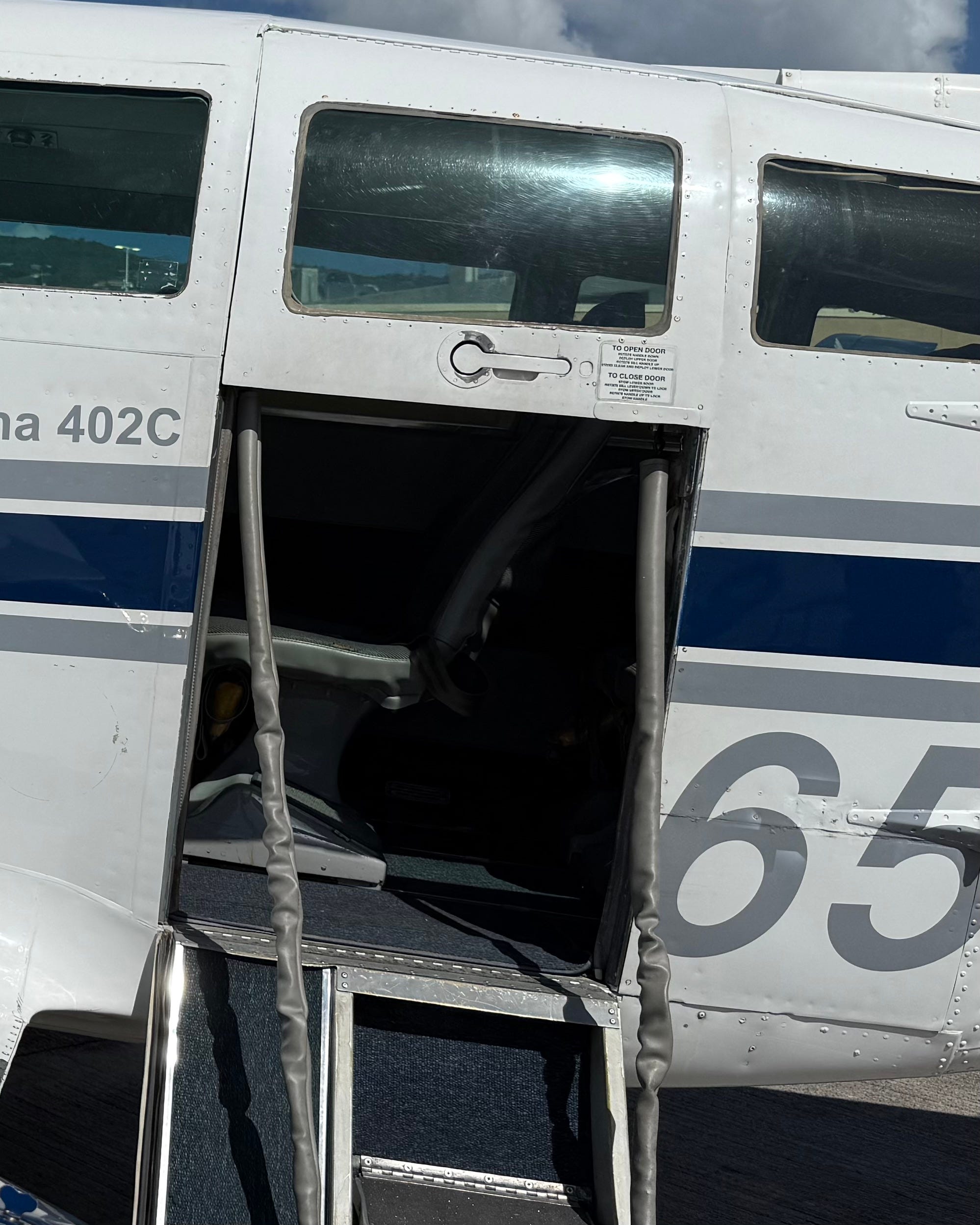
If I hadn’t been forced to learn the word “rendition,” this would not be a dark image.
My understanding, such as it is, is almost completely helpless. I’ll write some more articles, even books, give encouraging talks. Vote. Do my bit. Not yet ready for the monastery. Good thing “the best people watch” as the ancients had it.
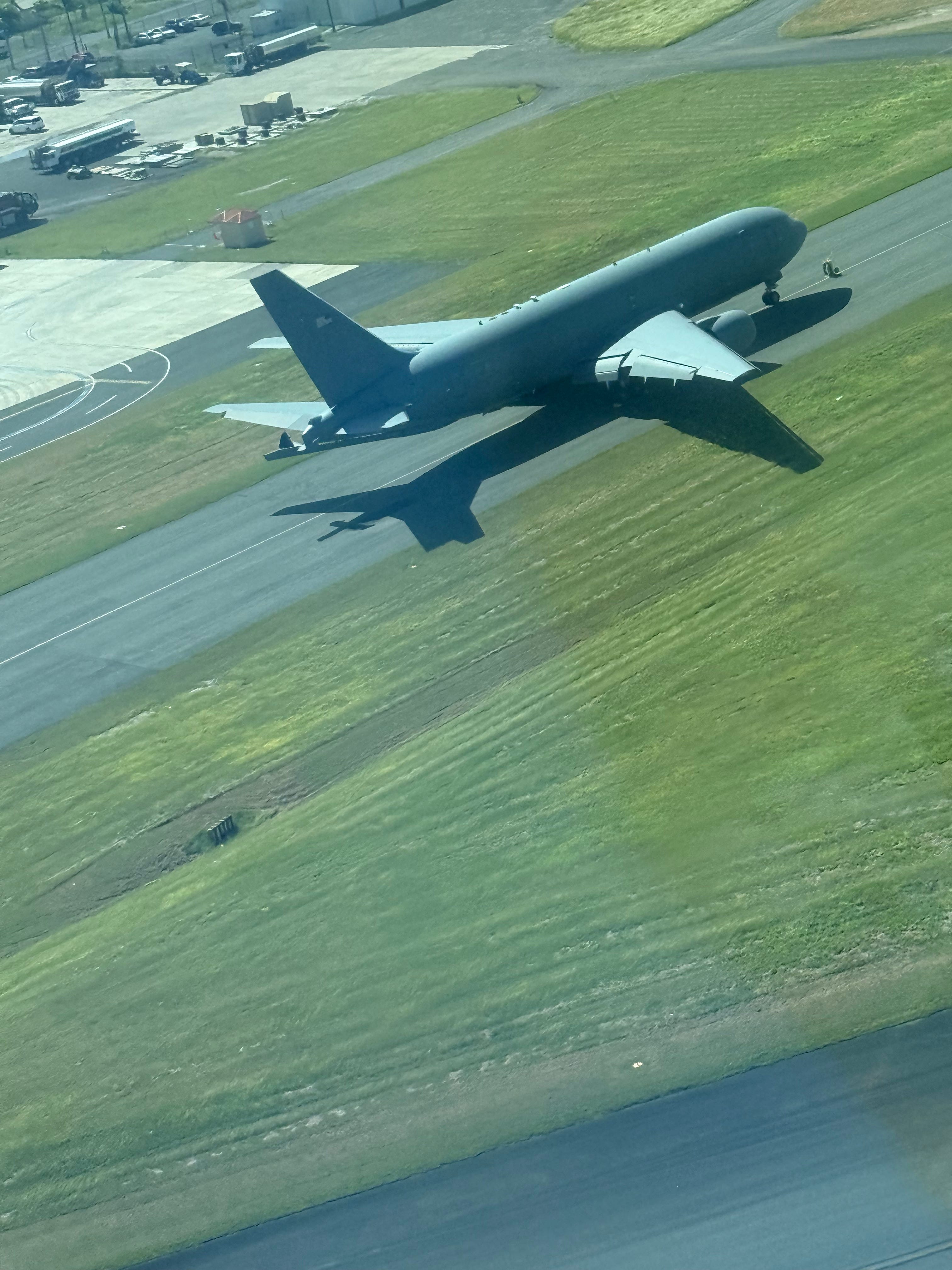
Nothing to see here.
— David A. Westbrook
P.S. Social Thought From the Ruins: Quixote's Dinner Party is not just about education or the university, even if often read that way. The deeper concerns are about how education might relate to the exercise of power, and how both relate to the reproduction of a society. Is your Leviathan a good father?